
Disclaimer: I LOVE cardiac physiology. I spent the first decade of my career doing hearts almost every day at the New England Deaconess Hospital. Lots of liver transplants too. With my engineering mindset, cardiac physiology just clicked. However, there are a lot of nurses (and doctors too!) who really don’t understand cardiac physiology. It's a real shame, because cardiac physiology is easy to understand if you’ve been taught “how” things work versus just being given a bunch of numbers to memorize.


To best understand how an ASC operates, it's crucial to have a good grasp on some main keywords and their meanings. Below, we've listed a collection of ASC terms and their definitions so you can be sure you have the most thorough understanding possible.

Becker's ASC Review interviewed Dan Short to learn more about the processes necessary for meeting CMS' conditions for coverage. These conditions require ASCs to provide patients with written acknowledgement of patient rights, ownership and advance directives prior to the date of service. In order to meet these conditions, ASCs across the country have responded in a number of ways.

When opening an ambulatory surgery center, there's lots of planning involved and many expenditures are required. To get your business started on the right foot, here are a few critical (but common) mistakes that can mean failure for your ASC:
New England Surgery Center recently shared their success story using One Medical Passport to run smarter and save time using our pre-admission solution.

We all know outpatient care at an ambulatory surgery center (ASC) is better. We might be partial though since we live, eat and breath it everyday. Recently, healthcare leaders were surveyed on industry trends and their points back up our feelings on ASCs being the best.

Prior to deploying One Medical Passport, Jefferson Surgery Center relied on nursing staff to phone patients in advance of a procedure to gather their preoperative medical history. Each of these calls took an average of one hour per patient because many patients were often unprepared and lacked the necessary information when receiving the call. Repeated calls to patients were often necessary as it was common for them to be unavailable. This communication process was inefficient, time-consuming and costly.
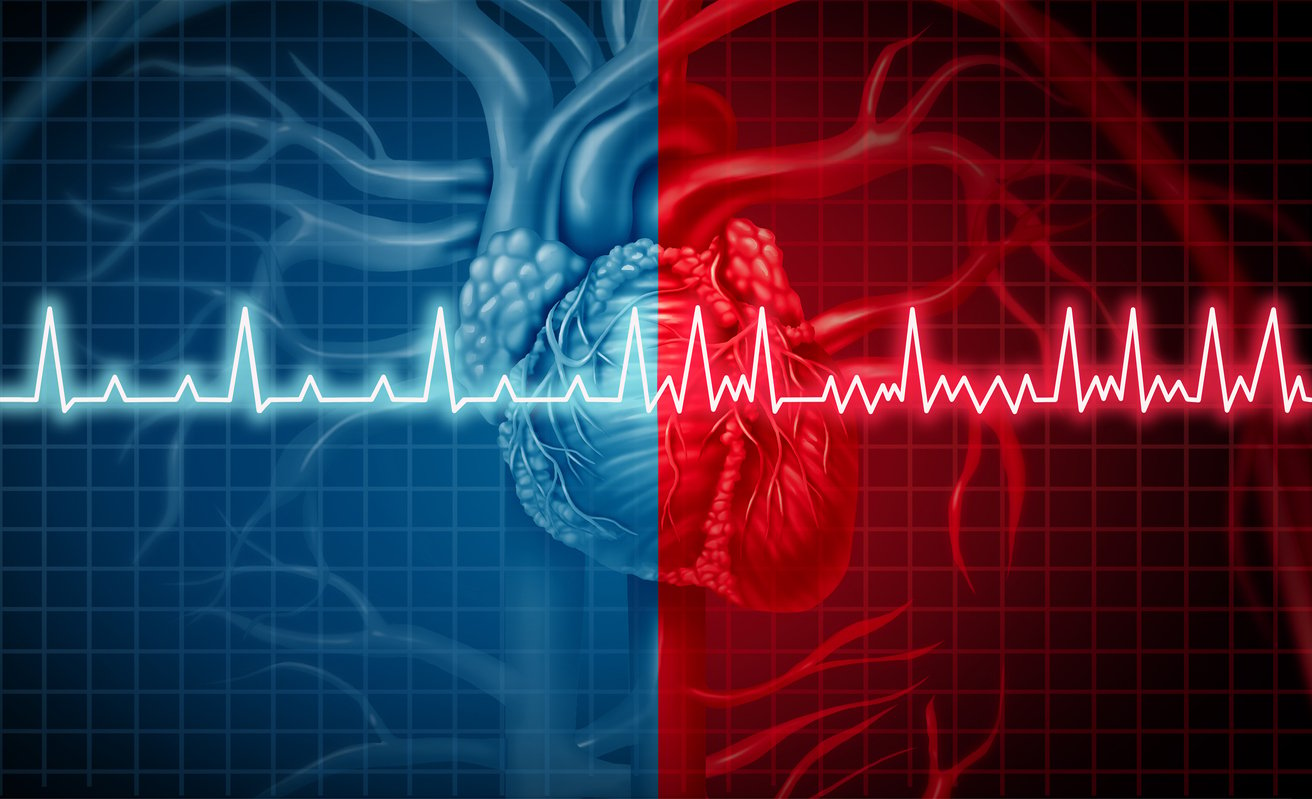
In Part 1 of this 4-part series, I talked about what Ejection Fraction (EF) is. In Part 2, I talked about the classifications of normal and abnormal EF. In this 3rd blog article in the series, I’ll talk about Congestive Heart Failure - commonly known as just CHF.
.jpg)
What makes or breaks the successful adoption of new technology at your surgery center? ASCs are consistently being pushed to move in the direction of streamlined, paperless workflows, and Administrators have never been more integral to the on-boarding process. In this post, we'll review the top 3 reasons that ASCs fail at technology adoption and what can be done to prevent embarking upon a potentially costly project that returns very little ROI.

Over the 20 years that I have run One Medical Passport, probably the most frequent question that I get asked from ambulatory surgery centers that are considering an online pre-admissions system is: “What percentage of my patients can I expect to use the system?”