The Best Practices of Onboarding


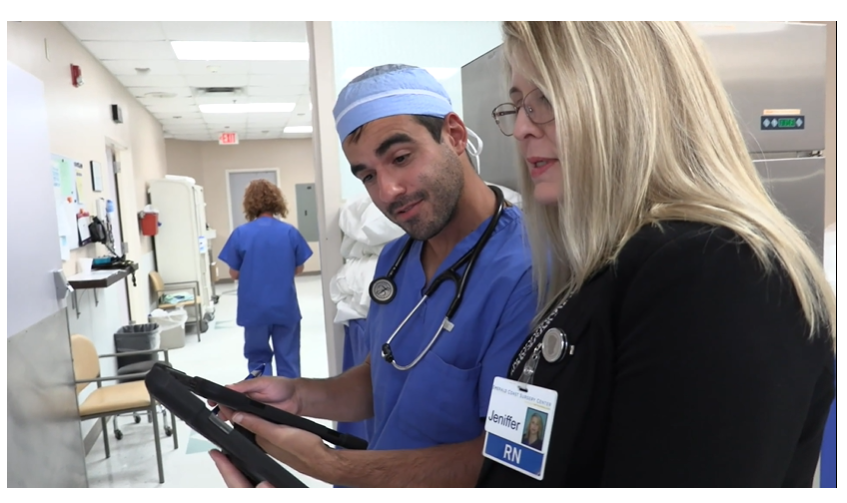
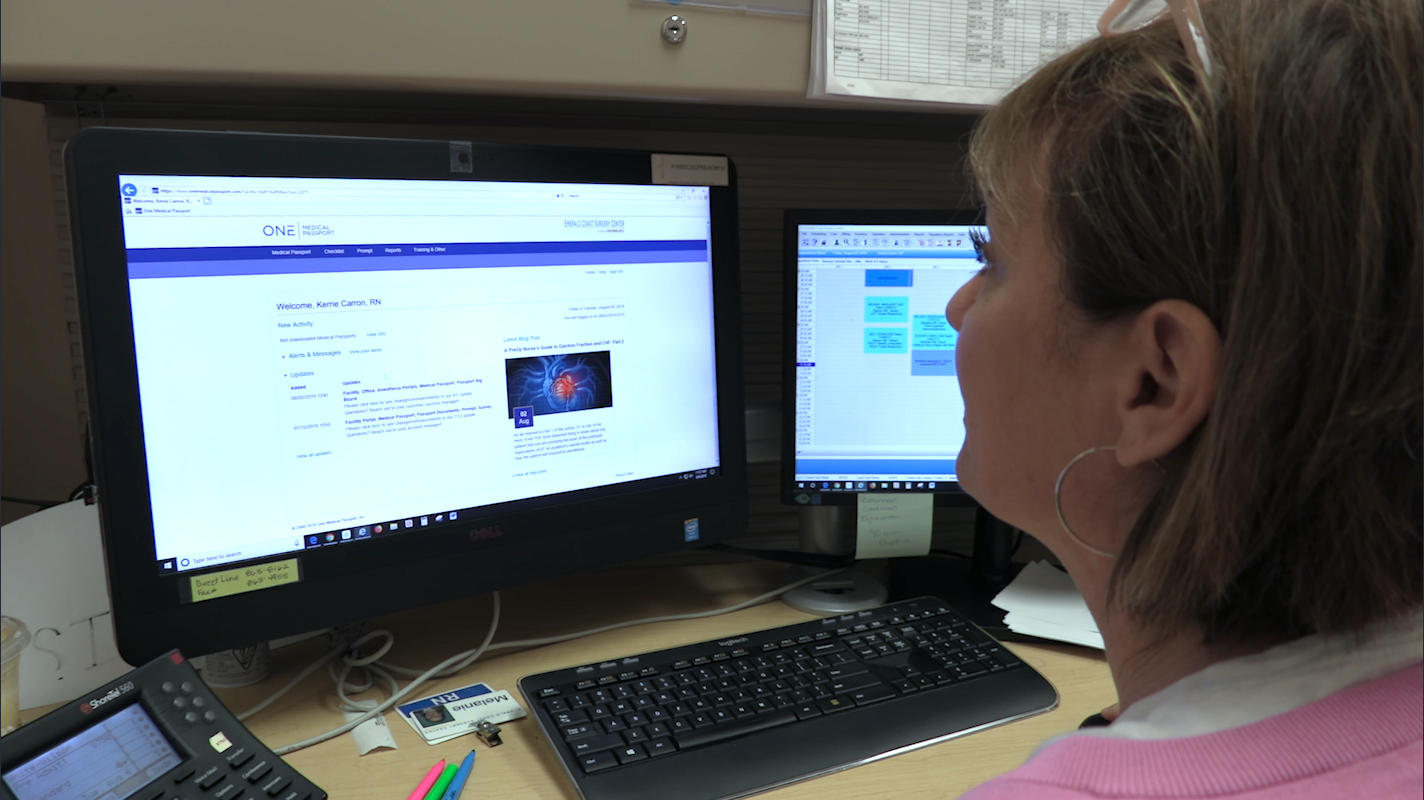
Onboarding new technology is the beginning of easier processes within surgical facilities. The process of onboarding can appear daunting, but by debunking a few misconceptions and explaining the best way to navigate your staff through this process, we'll help you realize why it's not. 

Why More Patients Are Visiting ASCs in 2020

The Ambulatory Surgery Center industry is seeing unprecedented growth in 2020. According to the 2019 Ambulatory Surgery Center Market Report, the ASC market is expected to set an all-time record and surpass $40 billion in revenue in 2020 and is projected to hit $50 billion by 2025.

In 2018, nearly 22 million surgeries were performed in the United States with more than half being of the outpatient variety and experts predict this number to increase by roughly 15 percent by 2028. In recent years, more than half of outpatient procedures have been administered in ASCs. As healthcare costs continue to increase steadily, these statistics are expected to trend upwards in 2020 and beyond.

But why the unmistakable draw to ambulatory surgery centers in 2020? The reasons are many and certainly differ depending on each patient’s circumstances, but there are several key benefits that cement the role ASCs play in the healthcare industry.

How to Prepare for ASC Ownership Changes

More and more, hospital systems and private entities are exploring ventures into the ASC market. Here’s what you can do to successfully navigate and flourish under an ownership change.

The Advantages of Having an Online Booking System

Staying On Top of Your Surgery Center’s CMS Certification (part 2)

As we previously discussed, accreditation guidelines are there to help your ASC improve quality, safety, and efficiency. However, staying on top of certifications can be time-consuming. Some specific digital solutions can help.

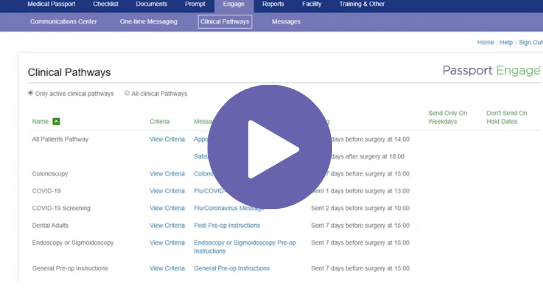
The Best Ways to Use Engage in an ASC

Hiring Dos and Don'ts in Your ASC

Anyone reading this has been hired to do a job, has hired others, or both. It is soooo expensive to find the right person, with the right skills, and the right fit for the position and your company culture. If you are the person hiring someone, typically all you have available to you is his or her resume for screening. Then after you identify half a dozen (if you are lucky) you have the process of screening them via a phone interview and then an on-site interview. Tedious, time consuming, and expensive! And...if you are the person looking to be hired, it is sometimes the roll of the dice if you will get the attention of the hiring manager.

A New ASC Nurses's Guide on How to Start a Painless IV

Starting IVs is a crucial part of being an excellent ambulatory care nurse. While painless IV cannulations can be a challenging skill to master, they are vital to your patient’s recovery. Here’s our 5 steps to starting an IV for new nurses (or nurses who need a refresher):

What Your Ambulatory Surgery Center Should Do To Get Ready for 2020


Two thousand twenty.

How Evidence-Based Care is Necessary in Ambulatory Surgery

In the ambulatory surgical setting, nurses are forced to wear a lot of hats. They are not only the nurse, but may be a respiratory therapist, secretary, physician liaison for physician office referrals, educator, physical therapist, housekeeping, infection control, quality coordinator, and any other role necessary to deliver exceptional care to the patient. With limited budget and resources, surgical facilities are still expected to maintain infection control and quality assurance (QA) programs to ensure patients are receiving the safest care. The Joint Commission requires QA programs to cover Infection Control, Performance Improvement efforts, and the Culture of Safety within the ASC. In Texas, the Department of Health (TDH) wants all transfers, emergency department admissions, hospitalizations, and patients returned to surgery to be included in reporting requirements.